Drug Policy – Understanding Generic Medicines
What Are Generic Drugs?
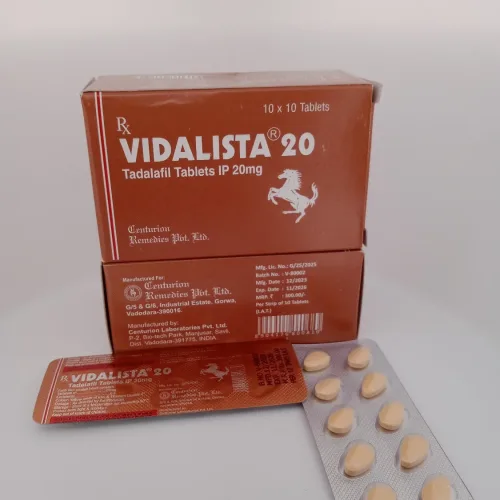
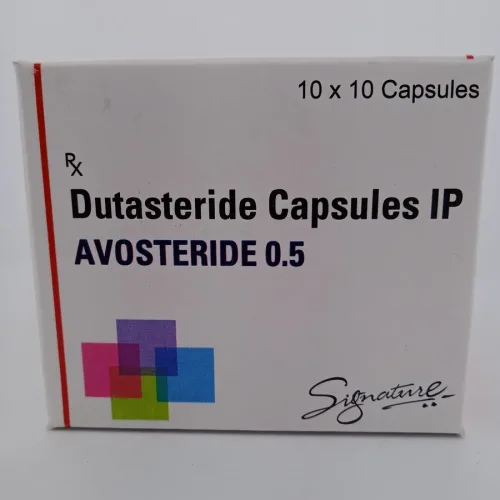
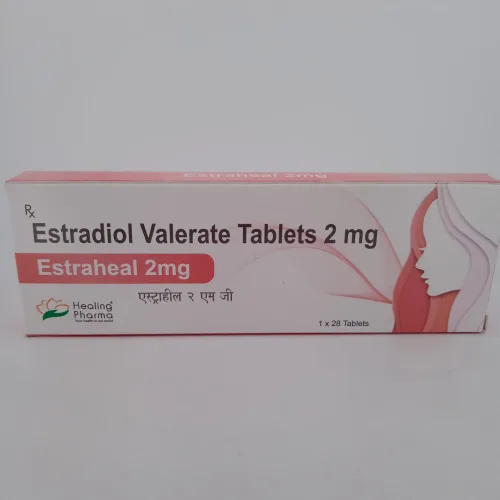
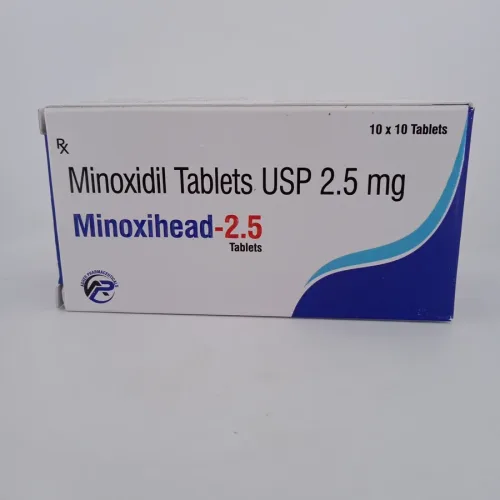
Generic medicines contain the same active ingredients, in the same dosage and strength, as their brand-name counterparts. They deliver the same therapeutic effect and must meet identical quality, safety, and efficacy standards.
In short, a generic drug is the equivalent version of a brand drug, produced once the original patent expires. Many generics are even manufactured in the same facilities as brand medicines — the difference is usually the name and the price, not the effectiveness.
Why Are Generic Drugs Cheaper?
Brand-name drugs cost more due to development expenses such as:
- High R&D Costs: Developing a new drug can take 10–15 years and cost hundreds of millions (or billions) of dollars.
- Marketing & Promotion: Original manufacturers spend heavily on advertising, physician outreach, and samples.
- Patent Protection: Patents (typically 20 years) allow the innovator company to recover investment and generate profits.
Once patents expire, other regulated manufacturers can produce generic versions. This competition reduces prices — often by up to 80% compared to the brand drug.
Advantages of Generic Medicines
- No Costly Development: Generic makers use the existing formula and do not repeat R&D.
- No Heavy Marketing: Generics benefit from brand awareness already established.
- Proven Safety & Efficacy: No need to repeat clinical trials; generics undergo bioequivalence testing to confirm identical performance.
- Same Quality Standards: Regulatory bodies like the US FDA and WHO require generics to meet the same manufacturing and quality requirements as brands.
India’s Role in Generic Medicines
India is the world’s largest producer of generic drugs, home to licensed and internationally recognized pharmaceutical companies such as:
- Cipla
- Sun Pharma
- Dr. Reddy’s Laboratories
- Intas
- Cadila
- Torrent Pharmaceuticals